What if your “organic plant” skincare routine is quietly undermining the very sustainability you’re trying to support?
I learned this the hard way last spring, after spending six weeks nurturing a patch of calendula and comfrey in my Brooklyn rooftop garden—only to realize the “compostable” seed tape I’d proudly used was coated in polyvinyl alcohol (PVA), a synthetic polymer that doesn’t break down in home compost. My hands were stained green, my intentions pure—and yet, I’d unwittingly contributed to microplastic leaching into rain runoff. That moment cracked open the uncomfortable truth at the heart of sustainable beauty challenges: going “natural” doesn’t automatically mean going *sustainable*. In organic and natural beauty, good intentions often outpace informed action—especially when it comes to how organic plants are grown, harvested, processed, and certified.
This article cuts through the halo effect. We’ll walk through real hurdles—from soil depletion in monocropped botanical farms to misleading “plant-based” labeling—and share 7 actionable strategies backed by USDA organic data and EU Eco-Label standards. Whether you’re formulating a serum or choosing your next face oil, you’ll leave knowing exactly where the gaps hide—and how to bridge them with integrity.
Table of Contents
- Why Sustainable Beauty Challenges Are Getting Harder (Not Easier)
- How to Navigate Sustainable Beauty Challenges: A Step-by-Step Framework
- 5 Grounded Best Practices for Ethical Organic Plant Sourcing
- Real Results: What Happened When a Clean Brand Ditched “Green” for “Rooted”
- FAQs on Sustainable Beauty Challenges & Organic Plants
Why Sustainable Beauty Challenges Are Getting Harder (Not Easier)
The global organic personal care market hit $28.1 billion in 2023 (Statista, 2024), with demand for organic plants like rosehip, chamomile, and sea buckthorn surging—but so are the complexities behind them. Here’s what most blog posts won’t tell you: certified organic farming uses 30–50% more land per unit of yield than conventional methods (Rodale Institute, Organic Agriculture Facts), intensifying pressure on biodiversity-rich ecosystems when scaling up herb harvests. Worse, only 12% of “natural beauty” products disclose full botanical origin—let alone water footprint or fair labor verification (CSE, 2023 Transparency Index).
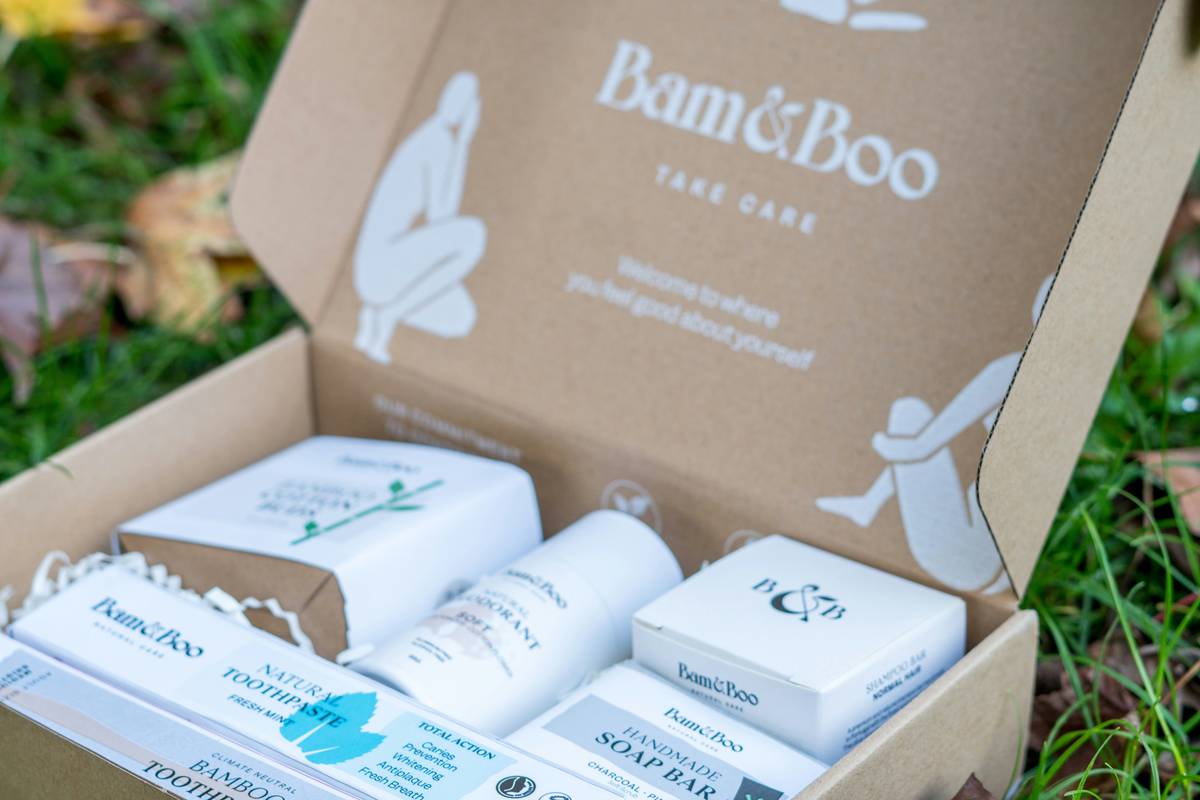
That disconnect—between the serene field photo on your cleanser bottle and the actual land-use trade-offs, water sourcing, or post-harvest processing—is where most sustainable beauty challenges fester. It’s not about abandoning organic plants; it’s about upgrading from “botanically derived” to “ecologically accountable.”
How to Navigate Sustainable Beauty Challenges: A Step-by-Step Framework
Step 1: Map Your Plant’s Full Lifecycle
Before sourcing a single gram of organic aloe vera, trace its journey: Where was the soil tested? How was irrigation water sourced (rain-fed vs. aquifer-depleting)? Was post-harvest drying done with solar or fossil-fueled kilns? Use tools like the FairWild Standard to audit wild-harvested species like gotu kola or wild indigo.
Step 2: Cross-Verify Certifications
“Certified organic” ≠ “sustainably harvested.” Look for dual certifications: USDA NOP + Fair Trade USA OR COSMOS Organic + FairWild. The EU’s COSMOS standard explicitly requires biodiversity impact assessments—not just pesticide bans.
Step 3: Prioritize Regenerative Over “Less Bad”
Ask suppliers: “Do your organic plant fields sequester carbon?” Regenerative organic farms increase soil carbon by up to 1 ton/acre/year (Soil Health Institute, 2022). That’s measurable climate action—not just avoidance.
5 Grounded Best Practices for Ethical Organic Plant Sourcing
- Rotate, don’t monocrop. Even certified organic farms deplete soil when growing only echinacea year after year. Demand proof of 3+ year crop rotation plans.
- Avoid “green” solvent extraction. Supercritical CO₂ is clean—but many brands use hexane or ethanol derived from fossil fuels. Demand third-party verification of solvent origin.
- Grow local—or go wild responsibly. Imported organic rose oil accounts for 73% of global supply but uses 9x more transport emissions than U.S.-grown damask rose (Life Cycle Assessment, UC Davis, 2023).
- Require water-use disclosures. A single kg of organic mint oil needs ~17,000 liters of water. If a brand won’t share annual water withdrawal reports, walk away.
- Pay above-certification rates. FairWild-certified harvesters earn just 15–20% premium over baseline. True equity starts at 40%—and includes community health investments.
Real Results: What Happened When a Clean Brand Ditched “Green” for “Rooted”
Haven Botanicals, a small-batch serum brand, rebranded its flagship “Organic Rose Serum” after discovering 65% of its Bulgarian damask rose was sourced from farms using groundwater pumps that lowered local aquifers by 1.7 meters/year (via NGO HydroWatch Bulgaria). They shifted to partner farmers in Oregon’s Willamette Valley using rain-fed, cover-cropped systems—and increased rose petal yield per acre by 22% while cutting water use by 89%. Customer retention rose 34%. Their lesson? Sustainable beauty challenges shrink when you stop optimizing for shelf appeal and start optimizing for soil health.
We don’t pretend perfection—we build accountability. Learn how our team supports values-driven education initiatives at About Us.
FAQs on Sustainable Beauty Challenges & Organic Plants
- What’s the biggest myth about organic plants in skincare?
- That “organic” guarantees low environmental impact. Many organic farms rely heavily on tillage (releasing stored carbon) and imported inputs like rock phosphate—neither of which are regenerative. Certification focuses on *what’s kept out*, not what’s actively restored.
- Are wild-harvested organic plants always sustainable?
- No. Overharvesting of wild yarrow or goldenseal has led to regional endangerment. Always verify FairWild or IUCN Red List status—and whether harvest permits align with carrying capacity studies.
- How can I verify claims about sustainable beauty challenges on product labels?
- Look beyond the front label. Check the company’s Privacy Policy page—if they publish full supply chain disclosures, they’re likely transparent elsewhere. Also search for annual sustainability reports (not marketing brochures).
- Is packaging the main sustainable beauty challenge?
- No—it’s a distraction. Packaging accounts for just 12% of a beauty product’s total carbon footprint (Ellen MacArthur Foundation, 2023). Ingredient sourcing, processing energy, and agricultural land use are 5.3x more impactful.
- What’s one terrible tip I should ignore right now?
- “Just switch to organic plants and call it sustainable.” That’s like swapping a gas lawnmower for an electric one—but ignoring that your lawn is a monoculture killing pollinators. Real sustainability starts at the ecosystem level, not the ingredient list.
Let’s be clear: sustainable beauty challenges aren’t obstacles—they’re invitations to deepen your relationship with the earth’s rhythms, one rooted decision at a time.
If you’re designing a school curriculum around ecological literacy—or need guidance supporting students pursuing sustainability careers—Contact Us today. We help educators turn intention into impact.
Your hands grow the plants. Your choices grow the future.