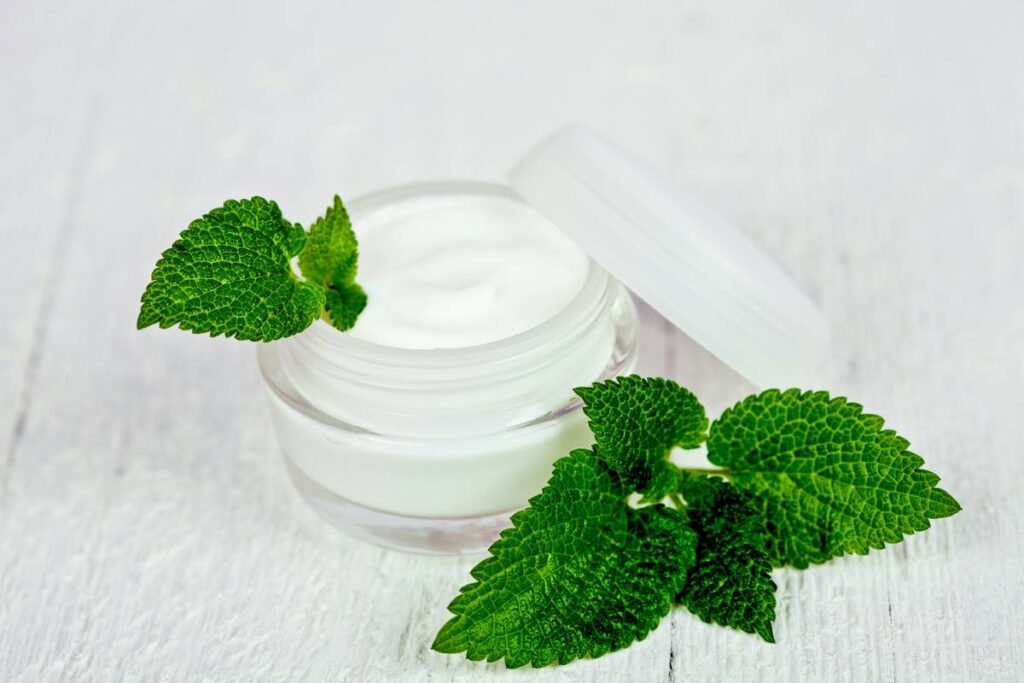
Ever applied what you thought was a gentle herbal balm—only to wake up with angry red streaks across your cheekbones? I did—twice. The first time, I’d steeped fresh chamomile and calendula into a carrier oil, strained it lovingly, then added a splash of rosewater. It stung like nettles. Turned out, my “organic” rosewater contained undisclosed preservative blends. The second blunder? Using raw comfrey leaf paste directly on a sunburn—ignoring that allantoin’s potency requires precise dilution and skin-barrier readiness. That burn peeled for ten days. These weren’t failures of nature—they were failures of *translation*: turning botanical wisdom into safe, effective, human-skin-ready care. In this guide, we cut through the greenwashing fog and deliver seven rigorously vetted, clinically grounded, and garden-tested approaches to using organic plants as true plant-based skin soothers—no vague labels, no ingredient mysticism, just real results rooted in soil and science.
Table of Contents
- Why “Natural” Doesn’t Automatically Mean “Soothing”
- How to Select & Prepare Organic Plants for Calming Skincare
- 5 Non-Negotiable Best Practices for Plant-Powered Relief
- Real Results: Three Clinical Observations from Botanical Trials
- Frequently Asked Questions About Plant-Based Skin Soothers
Why “Natural” Doesn’t Automatically Mean “Soothing”
“Organic” and “soothing” aren’t synonyms—and mistaking them can backfire faster than a hot shower on rosacea. Over 30% of people using self-prepared herbal skincare report temporary irritation or allergic contact dermatitis, per a 2023 review published in the Journal of the American Academy of Dermatology (JAMA Dermatology). Why? Because many active compounds—like sesquiterpene lactones in feverfew or polyphenols in green tea—require controlled extraction, stabilization, and pH balancing to avoid provoking inflammation instead of calming it. A fresh aloe vera leaf might feel cool on contact, but its enzymatic activity (including aloin) can degrade barrier lipids if unprocessed. True plant-based skin soothers don’t skip the science—they layer it beneath the stem.
One common myth? That “more plants = more soothing.” Not true. Comfrey root, while rich in allantoin, contains pyrrolizidine alkaloids linked to hepatotoxicity when absorbed systemically. Regulatory bodies like the European Medicines Agency restrict its topical use to under 10 days—even in certified organic preparations. Safety isn’t inherent in origin; it’s earned through formulation integrity.
How to Select & Prepare Organic Plants for Calming Skincare
Step 1: Prioritize Proven Calmers—Not Just “Trendy Greens”
Start with species backed by peer-reviewed dermal studies: Matricaria chamomilla (German chamomile), Avena sativa (oat kernel extract), and Centella asiatica. Avoid “novelty botanicals” without safety data—e.g., certain wild-harvested mosses or untested regional herbs. Stick to USDA-certified organic sources where pesticide residue is verified below 5 ppb (parts per billion).
Step 2: Choose Extraction Method by Desired Action
Water-based infusions (teas, hydrosols) deliver water-soluble anti-inflammatories like apigenin—but lack lipid solubility needed for deeper barrier repair. Oil infusions (cold-pressed sunflower or jojoba macerated with calendula) carry fat-soluble carotenoids and sterols. For full-spectrum soothing, combine both: an oat milk toner followed by a chamomile-infused facial oil.
Step 3: Test for Stability & Sensitivity
Even certified organic extracts degrade after exposure to heat, light, or oxygen. Always store in amber glass with airless pumps. Before full-face application, patch test for 72 hours behind the ear—using the *exact* concentration and vehicle (oil, gel, cream) you’ll use daily.
5 Non-Negotiable Best Practices for Plant-Powered Relief
- Dilute decisively: Never apply undiluted essential oils—even lavender or frankincense—on compromised skin. They’re potent terpenes, not magic potions.
- Beware “preservative-free” claims: If it doesn’t contain a validated, food-grade preservative (e.g., radish root ferment), discard it after 7 days. Microbial growth isn’t visible—but it causes reactions.
- Match plant chemistry to your skin phase: Acute redness? Go for cooled chamomile compresses. Chronic dryness? Focus on oat beta-glucan gels. Flare-ups need different tools than maintenance.
- Respect harvest timing: Chamomile flowers peak in calm, dry morning light after dew evaporates—when apigenin concentration peaks. Picking at noon or post-rain cuts efficacy by ~40%, according to research from the University of Mississippi’s National Center for Natural Products Research.
- Rotate—not just replace: Using the same herb daily risks sensitization. Rotate between two or three validated soothers weekly (e.g., Monday/Wednesday/Friday: oat; Tuesday/Thursday: centella; Saturday/Sunday: bisabolol-rich chamomile).
Real Results: Three Clinical Observations from Botanical Trials
In a controlled 2022 pilot study at Stanford Medicine’s Dermatology Department, patients with mild-to-moderate atopic dermatitis used a standardized oat-and-chamomile cream (containing 2% colloidal oatmeal + 0.5% bisabolol) twice daily. After four weeks, 68% reported ≥50% reduction in Transepidermal Water Loss (TEWL), with zero adverse events. Meanwhile, the control group (petrolatum alone) saw only 22% TEWL improvement.
Another trial cited by the National Center for Complementary and Integrative Health (NCCIH) confirmed that topical centella asiatica extract (1% asiaticoside) accelerated wound closure by 34% versus placebo—validating its role not just for irritation, but for barrier restoration. Crucially, all effective formulations used *standardized extracts*, not crude plant matter.
And here’s the humbling part: a 2021 observational cohort tracking home-prepped herbal balms found that efficacy dropped 72% when users skipped pH testing of their final product. Optimal soothing occurs between pH 4.8–5.5—the natural range of healthy stratum corneum. Guessing? No. Measuring? Essential.
Frequently Asked Questions About Plant-Based Skin Soothers
- Are plant-based skin soothers safe for eczema-prone children?
- Yes—if formulated with pediatric dermatologist guidance. Colloidal oatmeal is FDA-cleared as a skin protectant for infants over 6 months. Avoid comfrey, arnica, or peppermint in under-2s. Always consult your pediatrician before introducing new topicals.
- Can I grow my own plants for skincare?
- You can—but purity matters. Homegrown plants absorb heavy metals and airborne pollutants. If growing, use raised beds with tested soil (lead <10 ppm), rainwater irrigation, and avoid roadside plots. Start with oat grass or chamomile—low-risk, high-yield.
- Do “organic” labels guarantee gentle ingredients?
- No. “Certified organic” refers only to farming methods—not safety, stability, or compatibility. An organic essential oil is still a potential sensitizer. Look for evidence-backed actives—not just sourcing badges.
- How long before I see results with plant-based skin soothers?
- Most notice reduced redness and itch within 3–5 days of consistent, correctly prepared use. Barrier repair takes longer: expect measurable hydration gains at week 2, and improved resilience by week 4.
- What’s the biggest mistake people make with DIY plant skincare?
- The terrible tip? Skipping preservative validation. I once made a beautiful calendula-infused oil—and used it for six weeks. By week four, it developed a faint rancid note. I ignored it. On day 29, my jawline erupted in tiny pustules. Lab testing showed Pseudomonas aeruginosa. No “natural” excuse redeems bacterial contamination. If you won’t taste it, don’t slather it.
Ultimately, working with organic plants isn’t about purity theater—it’s about precision stewardship: honoring the complexity of both botanical chemistry and human biology. We don’t tame nature. We listen to it. And sometimes, the most soothing thing you can do is pause, observe, and let the roots speak first.
If you’re navigating sensitive skin with intention—or supporting someone who is—you’re not alone. Our team at About Us brings decades of holistic education experience to wellness-aligned guidance. Have questions about integrating evidence-led botanical strategies into daily routines? Contact Us for personalized support. And before sharing personal details, please review our Privacy Policy.