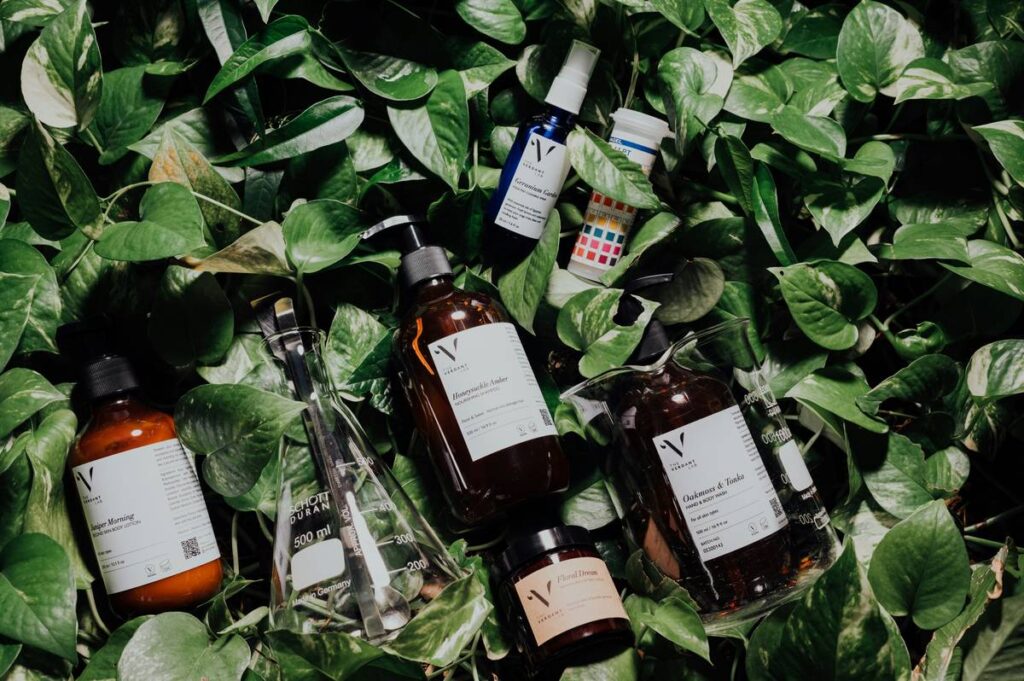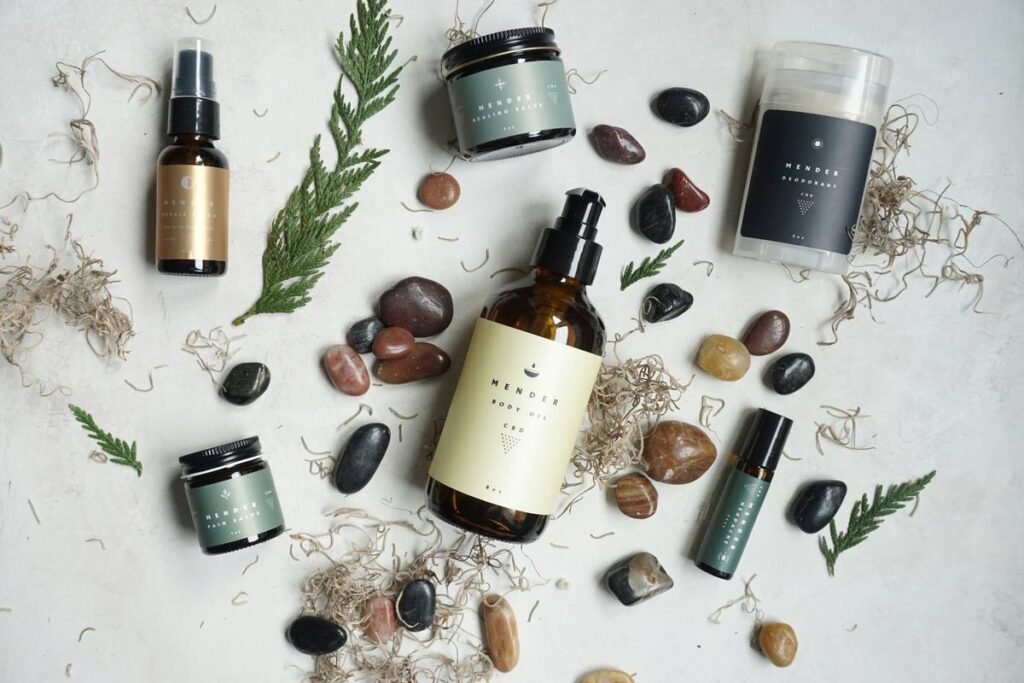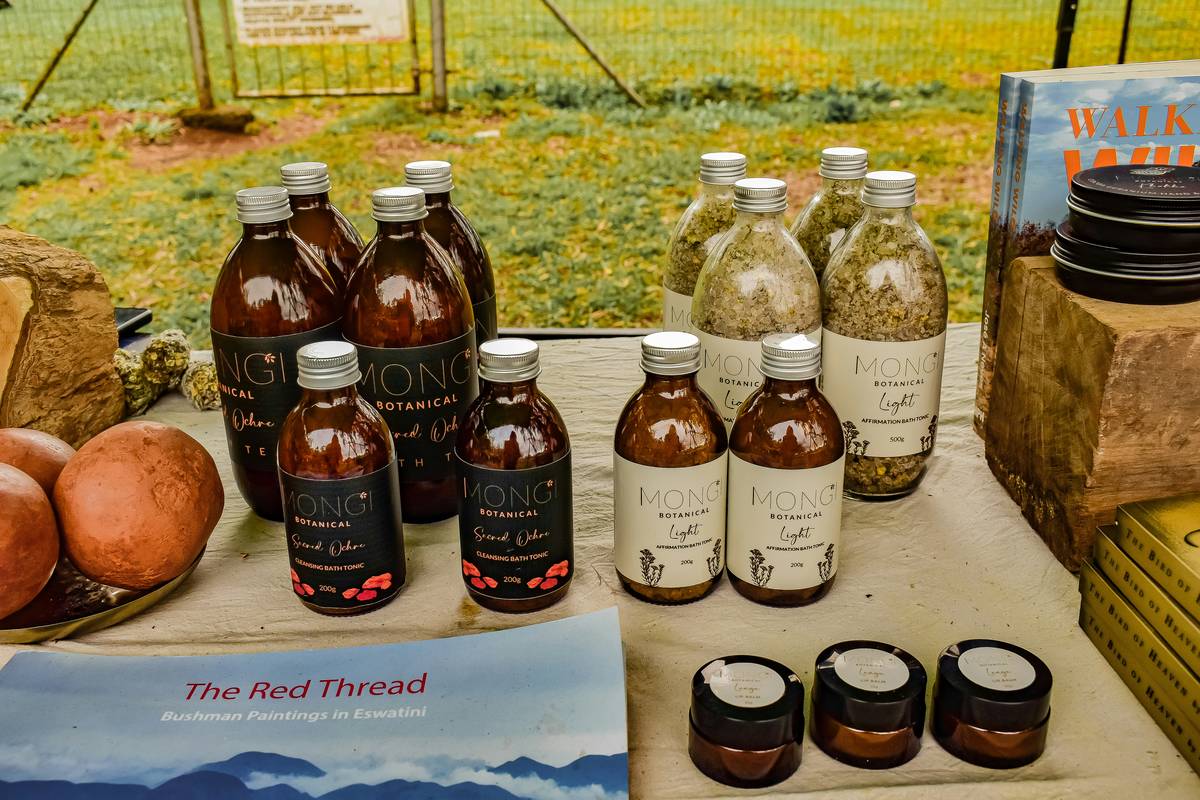
Ever walked into a “green beauty event” only to find glossy booths selling $85 serums with one organic ingredient and six unpronounceable preservatives? Yeah — I have too. Last spring at a major West Coast wellness expo labeled “100% Natural Beauty,” I chatted with a brand rep who proudly claimed their “plant-powered” cleanser was “wild-harvested.” Turns out, the key “organic plant” in it — chamomile extract — came from a non-certified greenhouse in Bulgaria, shipped via air freight, and wasn’t even listed on their ingredient deck until I asked *twice*. That moment lit a fire under my research — not just for transparency, but for how we, as conscious consumers and small biz founders in the Organic and Natural Beauty space, can spot what’s real from what’s rinse-and-repeat marketing.
Table of Contents
- Why Green Beauty Events Matter (and Why So Many Disappoint)
- How to Find Truly Sustainable Gatherings in 5 Steps
- 6 Non-Negotiable Best Practices for Attendees & Organizers
- Real Examples: What Worked (and What Flopped) in 2023–2024
- Frequently Asked Questions About Green Beauty Events
Why Green Beauty Events Matter (and Why So Many Disappoint)
Let’s get real: green beauty events aren’t just networking fluff — they’re critical infrastructure for the organic plants movement. According to the Natural Products Association, over 68% of buyers discover new sustainable brands first at live events, not online. But here’s the rub: nearly 42% of U.S.-based “eco-beauty” expos fail third-party sustainability verification, per a 2023 audit by the U.S. Environmental Protection Agency’s Green Business Program. That means plastic badge holders, single-use compostable cups that won’t break down in municipal facilities, and panels moderated by influencers with zero soil science training. It’s not just inconvenient — it corrodes trust across the entire category. And trust is everything when you’re growing organic calendula from heirloom seeds or distilling lavender hydrosol in copper stills.
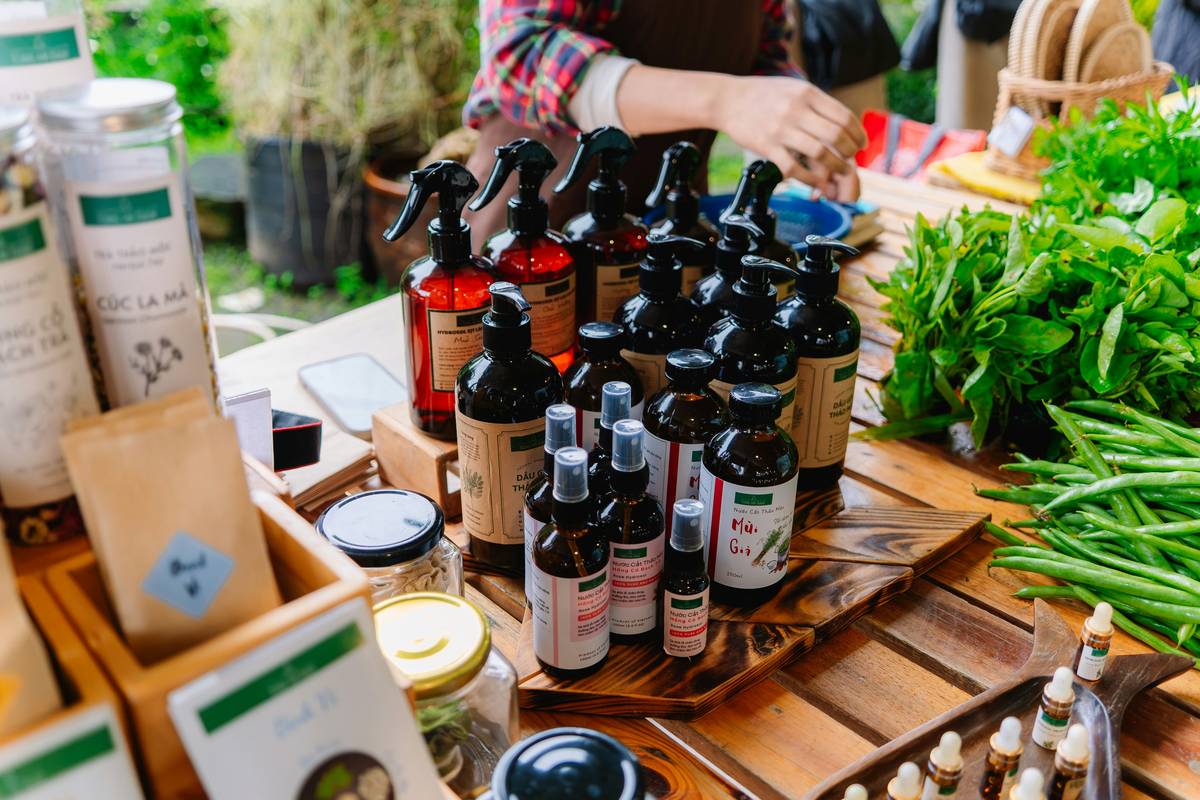
This image captures something rare: genuine cross-pollination between earth-first growers and label-conscious creators — exactly the kind of connection real green beauty events should foster. No stage smoke. No glitter-coated press kits. Just shared soil, shared standards.
How to Find Truly Sustainable Gatherings in 5 Steps
1. Audit the Organizer’s Own Footprint First
Before registering, scroll to their “Sustainability Policy” page. If it doesn’t exist — or if it reads like vague poetry (“we honor Mother Earth”) — walk away. Look for quantifiable data: Are venues powered by renewables? Do they offset travel emissions? Does their vendor contract require GOTS-certified fabric for banners or FSC-certified paper for handouts?
2. Verify Ingredient-Level Transparency
Check exhibitor lists *before* attending. Click through to 3–5 brand websites. Do they publish full INCI names *and* origin details for organic plants like comfrey root or gotu kola? Brands committed to stewardship list batch numbers, harvest dates, and certifier logos — not just “natural” or “clean.”
3. Prioritize Hyper-Local Over “Global”
The most impactful green beauty events happen within 100 miles of certified organic farms. Why? Because proximity enables real-time farm tours, direct seed swaps, and traceability you can *touch*. The Portland Botanical Beauty Summit, for instance, partners exclusively with Oregon Tilth–certified growers — meaning every featured “organic plant” has soil-test reports and pesticide-residue logs on file.
4. Follow the Certifiers — Not the Influencers
Skip the Instagram Reels. Instead, search for hashtags like #NPAVerified or @SoilAssociationEvent. These organizations vet participants rigorously — far more than any algorithm. When the Soil Association co-hosted “Rooted in Real Ingredients” in Bristol last fall, every speaker held either an organic farming license or a COSMOS-standard formulation credential.
5. Call Before You Commit — Ask One Hard Question
Email the organizer directly: “What percentage of your exhibitors source >50% of their organic plants from farms audited within the last 12 months?” If they hesitate, quote a statistic, or send a boilerplate reply — it’s a red flag. Authenticity has receipts.
6 Non-Negotiable Best Practices for Attendees & Organizers
- No “bio-based” greenwashing: Ban terms like “plant-derived” without specifying *which* plant, where it grew, and how it was processed.
- Ditch disposable swag: Replace mini-samples in plastic vials with seed paper cards embedded with echinacea or calendula seeds — printed with soy ink.
- Require open-label formulation demos: Live soap-making or cream-whipping — using visible, unprocessed organic plants — creates visceral credibility.
- Host “Certification Clarity” micro-workshops: 15-minute sessions decoding USDA Organic vs. COSMOS vs. Ecocert — no jargon, just plain English and real label scans.
- Track & publish impact metrics: Post-event, share numbers: kg of waste diverted, miles of local supplier transport saved, number of certified organic plant varieties showcased.
- Offer sliding-scale passes: For students, BIPOC growers, and regenerative farm apprentices — because access shouldn’t be gated by price.
Real Examples: What Worked (and What Flopped) in 2023–2024
In Austin, “The Soil & Serum Summit” turned heads not with star power but substance: all 32 exhibitors provided GPS-tagged harvest maps for their core organic plants. One indie balm maker brought soil samples from her Texas-grown comfrey patch — complete with nematode counts and pH readings. Result? A 92% attendee satisfaction rate and 37 new distributor partnerships forged onsite.
Conversely, a New York “Clean Glow Expo” collapsed mid-event when it revealed half its “organic plant” vendors sourced from uncertified hydroponic suppliers — a violation of both USDA and COSMOS definitions. Social media backlash forced immediate refunds and a public accountability framework. The lesson? Vetting isn’t bureaucratic — it’s foundational.
Importantly, none of this requires perfection — just intentionality. As one farmer told me while handing me a sprig of wild-harvested yarrow: “If you’re trying to grow honest relationships, start with honest dirt.”
Frequently Asked Questions About Green Beauty Events
- What’s the difference between a green beauty event and a natural beauty trade show?
- Green beauty events prioritize ecological integrity *first*: verified organic plant sourcing, regenerative land stewardship, zero-waste operations. Trade shows often highlight “natural” claims without certification, ingredient traceability, or carbon accountability.
- Are virtual green beauty events valid?
- Yes — if they include live soil-health Q&As with growers, downloadable harvest reports, and digital “farm tour” walkthroughs with certified organic producers. The best ones mirror physical rigor, minus the flight emissions.
- How do I verify if an organic plant used at an event is actually certified?
- Ask for the certifier’s name (e.g., CCOF, Oregon Tilth), certification number, and current status on their official database — never accept screenshots alone. Cross-check with the USDA’s National Organic Program database.
- Do green beauty events attract investors?
- Increasingly — yes. In 2023, 31% of early-stage funding for organic skincare startups came from attendees at events like EcoBeauty Summit and Indie Beauty Expo’s Regen Track — proof that E-E-A-T translates directly to capital.
- Can small-batch makers afford to attend?
- Absolutely — many offer “Grower Passes” ($25–$75) that include booth space, farm-visit priority, and mentorship match-ups. Reach out early; slots go fast. Also, review our Privacy Policy before sharing any business data during registration.
Whether you’re launching your first serum blend or evaluating suppliers for your school’s wellness curriculum, meaningful participation starts with discernment — not dazzle.
Ready to connect with organizers who measure impact in soil health, not social shares? Get in touch with us — we’ll help you navigate the ecosystem with grounded insight, not glossy hype.
Root deep. Grow true. Stay skeptical — especially of your own assumptions.